
Critical Threat Intelligence & Advisory Summaries

WASHINGTON, D.C. - February 16, 2026 - The Cybersecurity and Infrastructure Security Agency (CISA) has issued a mandatory federal directive requiring the remediation of six Microsoft zero-day vulnerabilities by March 3. Linked to active exploitation by nation-state actors including Salt Typhoon, these flaws represent a critical escalation in the 2026 vulnerability landscape.
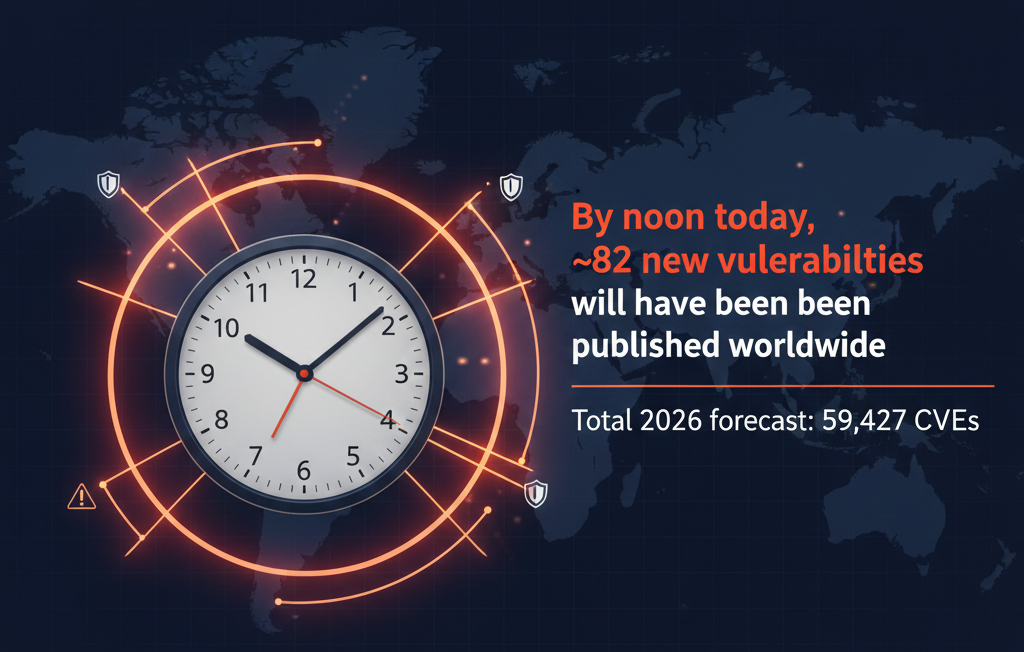
GENEVA, Switzerland - February 16, 2026 - The Forum of Incident Response and Security Teams (FIRST) has released its 2026 Vulnerability Forecast, projecting a record-breaking 59,427 new CVEs this year. This unprecedented volume marks the first time the industry is expected to surpass the 50,000-vulnerability threshold, demanding a fundamental transition from manual patching to machine-speed, risk-based prioritization.

Recent incidents involving AI-generated job candidates and deepfake employees are creating a new security challenge for organizations worldwide. In 2024, a North Korean operative successfully infiltrated cybersecurity firm KnowBe4 using a fully fabricated identity, passing interviews, background checks, and references before being detected within 25 minutes. Security experts warn that advances in generative AI now allow attackers to maintain multiple fake identities, manipulate video and voice, and gain trusted access to corporate networks. Analysts predict that by 2028, one in four global job applicants could be synthetic. Companies are urged to treat identity verification as a continuous security process, implement layered monitoring, and prepare for AI-enabled threats entering through trusted hiring processes. This article explains the lessons from the KnowBe4 incident, the evolving risk landscape, and practical controls organizations can adopt.

HONG KONG — As real-time deepfake fraud losses surpass $200 million in early 2026, global enterprises are discovering that traditional "see-and-hear" verification protocols have become their greatest liability. This report analyzes the recent $25.6 million Arup heist and the UAE bank voice-clone incident to expose how "perfect compliance" with obsolete security models is enabling industrial-scale deception. Learn how to implement the 2026 Universal Control Framework to protect your organization's assets from increasingly sophisticated agentic AI attacks.
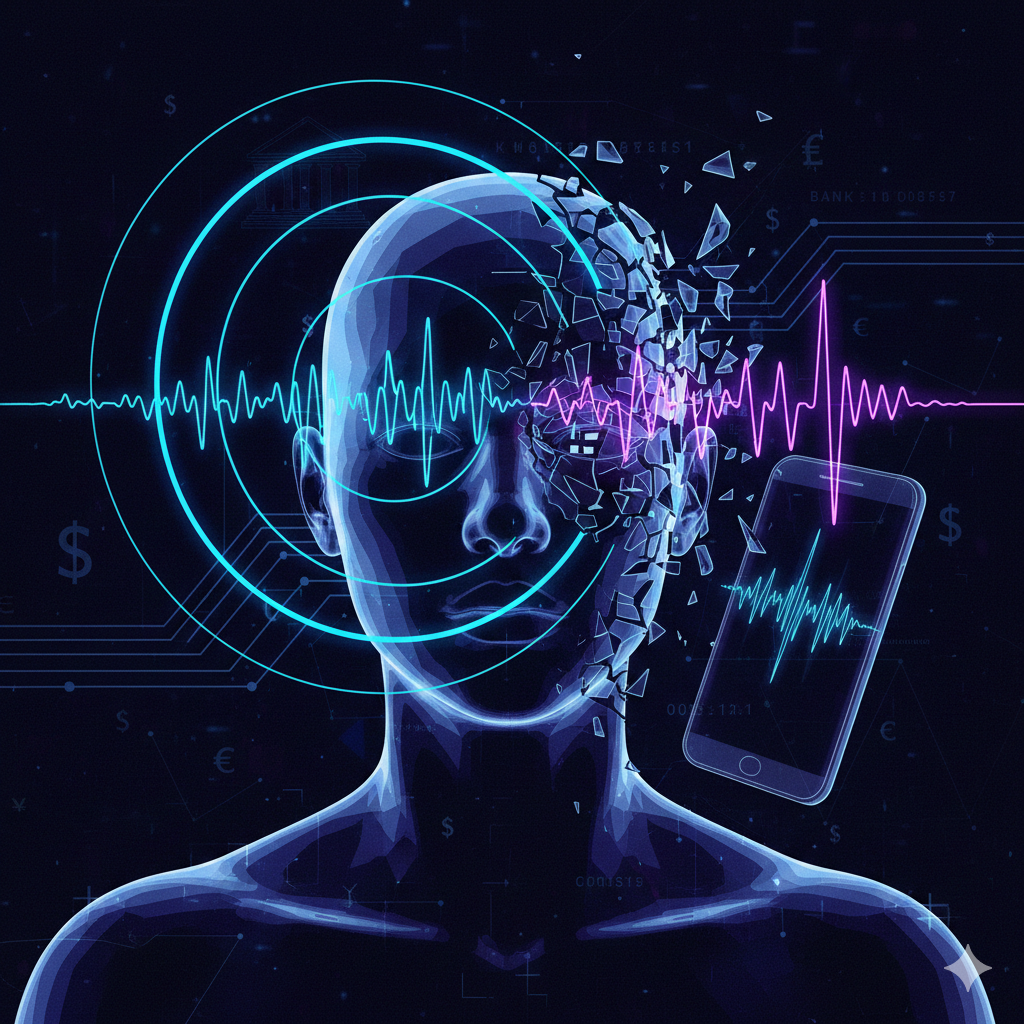
In 2019, criminals cloned a CEO’s voice and exposed a fatal flaw in how organizations verify identity. Six years later, that same flaw is driving billions in AI-powered fraud losses.