
Our Blog
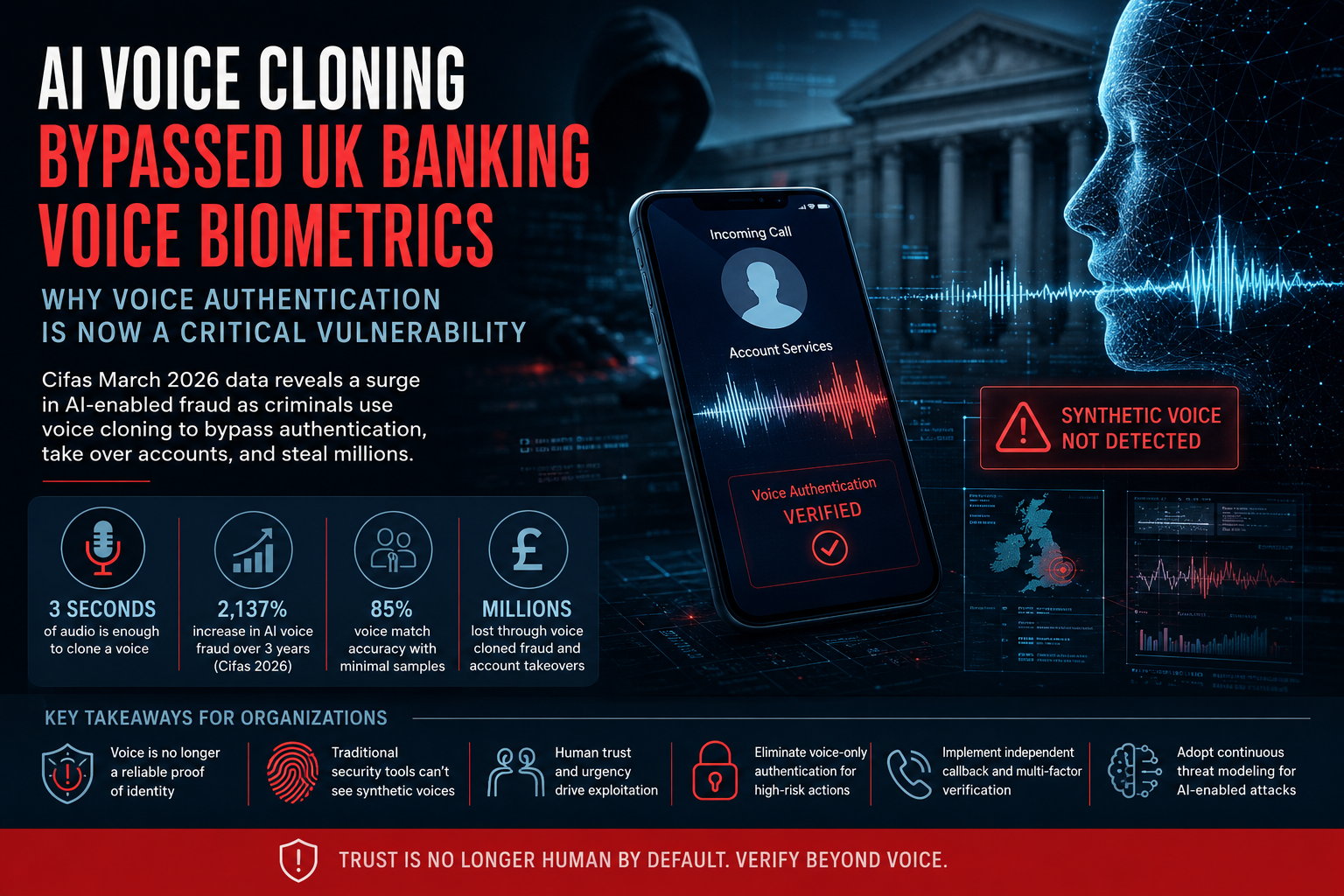
Executive TL;DR:
» The March 2026 Cifas Fraudscape report warns that generative AI voice cloning has turned voice biometrics into an architectural risk. Attackers are harvesting short public audio samples to bypass passive speaker verification systems and human service desks alike.
» Traditional security controls like EDR and SIEM suffer from severe blind spots here, as these attacks occur within legitimate telephony channels and yield perfectly successful login logs.
» Defenders must immediately stop treating voice familiarity as an authentication factor, shifting instead to cryptographic verification, mandatory out-of-band callbacks, and continuous AI-focused threat modelling.
Reading time 15 minutes
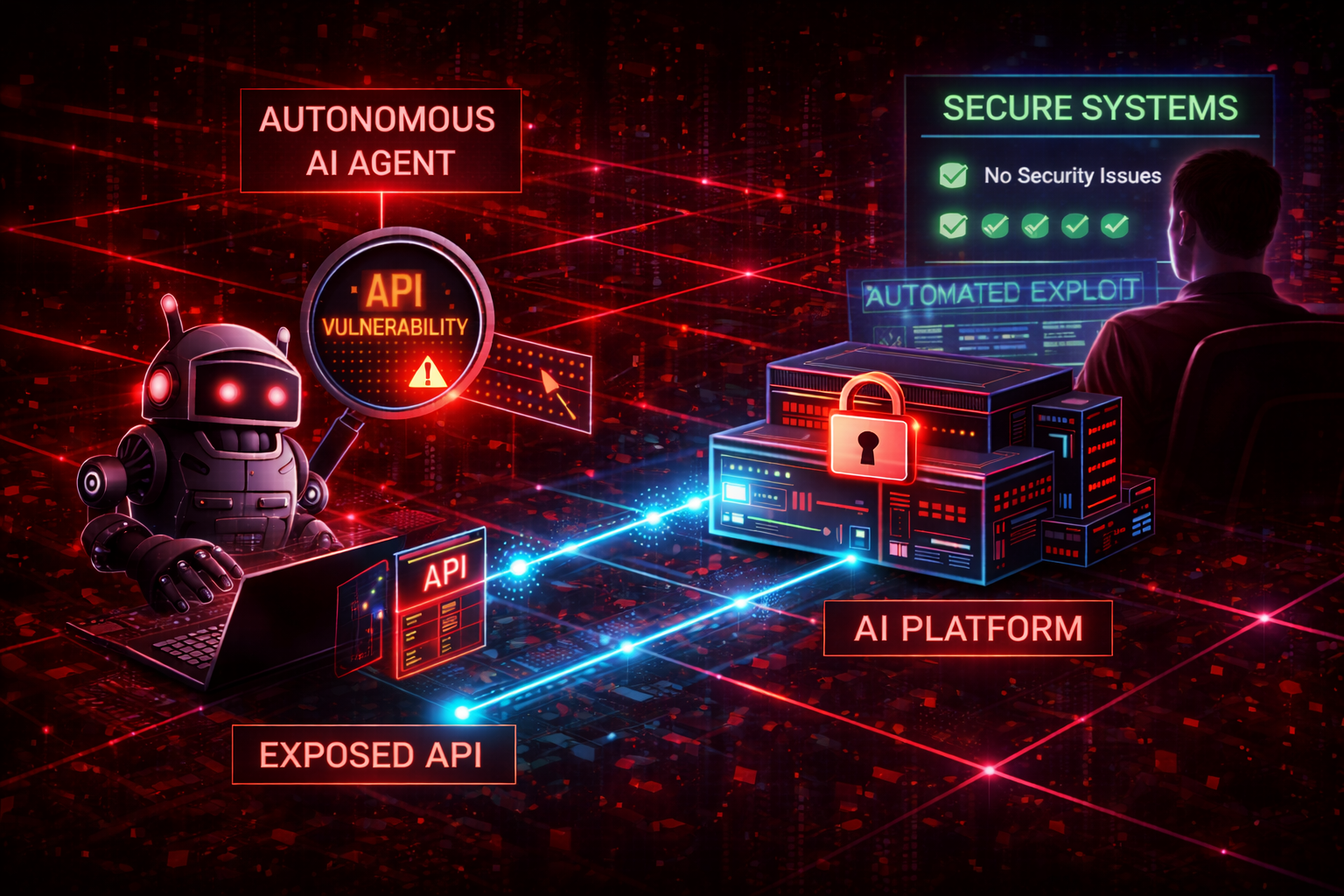
McKinsey’s reported AI chatbot breach highlights a growing enterprise risk: insecure deployment of generative AI platforms. This Operational Failure Analysis examines how identity governance gaps, shadow AI adoption, and weak platform controls can expose sensitive enterprise data.

AI-driven impersonation attacks including deepfake video fraud, voice cloning scams, and synthetic job applicants are redefining enterprise cyber risk. This guide explains the threat landscape and how SOC teams can detect and mitigate AI-enabled identity attacks.
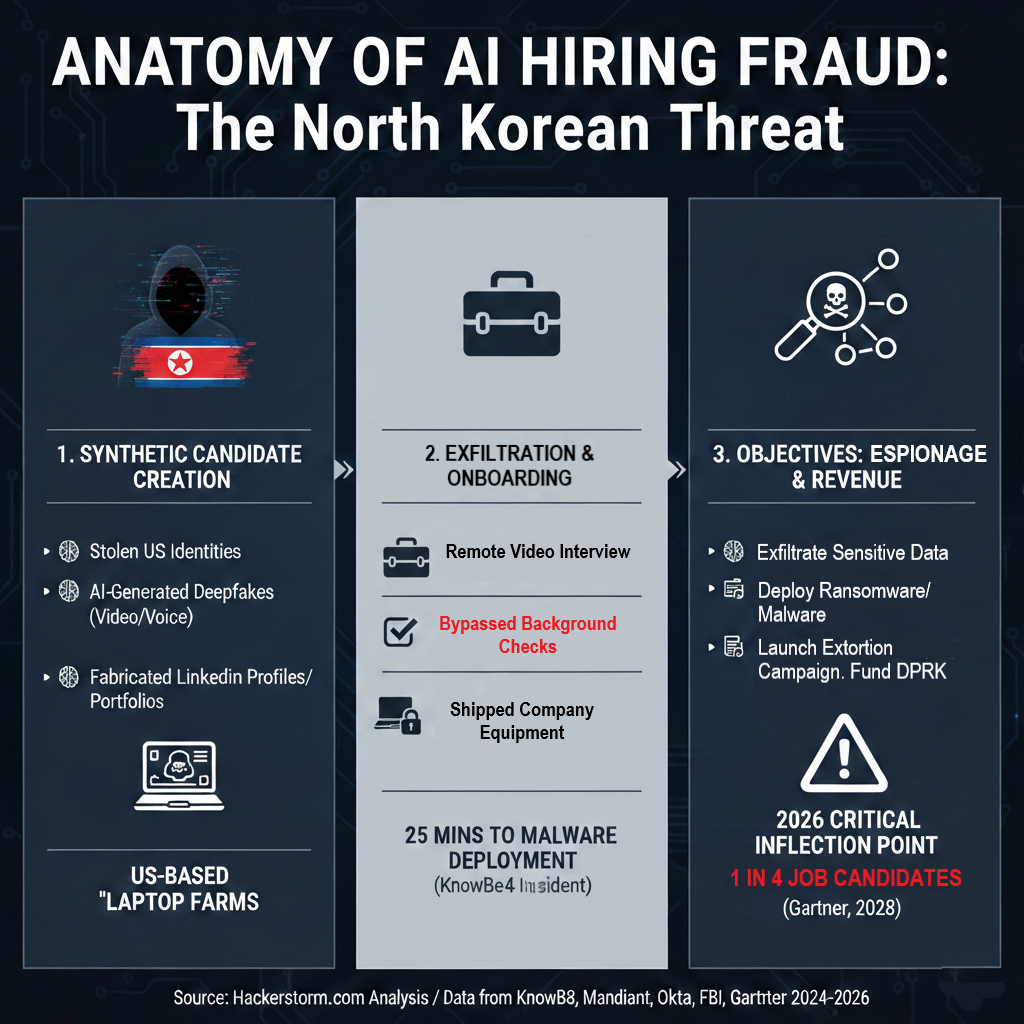
KnowBe4 detected a suspected North Korean IT worker within 25 minutes of onboarding, exposing operational risks from AI-generated resumes, deepfake interviews, and synthetic identities. Security teams should focus on onboarding monitoring, least-privilege access, and early behavioral detection to prevent persistent insider threats.