AI Threats & Fraud Intelligence

AI has fundamentally changed the attacker's toolkit. Synthetic voices pass biometric authentication. Deepfake video clears executive verification calls. Shadow AI tools process sensitive data outside governance controls. Agentic workflows execute actions autonomously with no human review checkpoint. Hackerstorm provides free, vendor-neutral AI threat intelligence covering the full spectrum of AI-enabled attack surfaces — from social engineering and fraud through to enterprise governance failures and synthetic identity at scale.

The AI Threat Reality in 2026


The gap between AI adoption velocity and AI security governance defines enterprise risk in 2026. Organisations are deploying AI tools faster than security teams can inventory them, and attackers are deploying AI capabilities faster than defenders can detect them.

The three signals that define the current AI threat landscape:

Image

$40 billion in fraud losses attributable to AI-enabled voice cloning and deepfake social engineering since the 2019 German CEO incident established the operational blueprint — a figure that compounds annually as synthetic media quality improves and generation costs collapse toward zero.

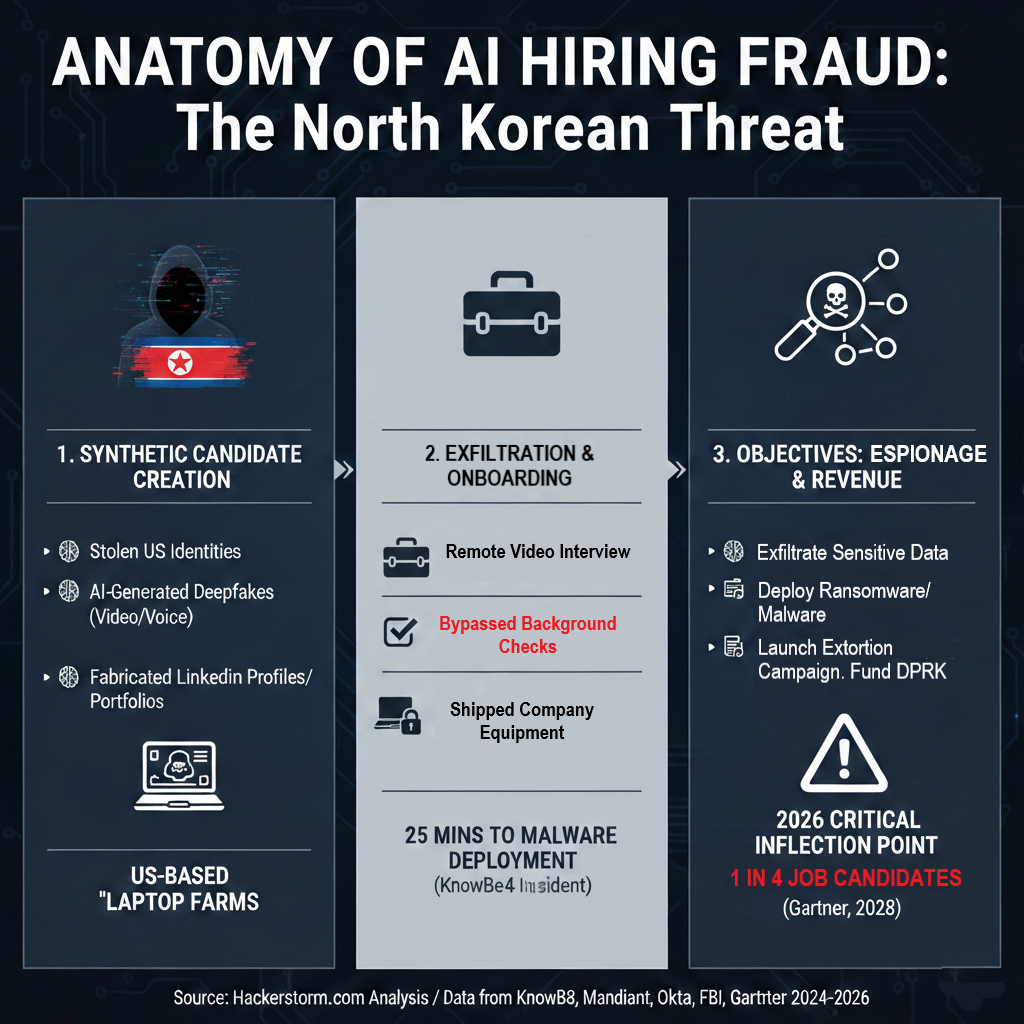
1 in 4 job applicants projected to be AI-generated synthetic personas by 2028, according to security researchers — a figure that reflects the broader synthetic identity threat extending beyond hiring fraud into account takeover, insider threat, and supply chain infiltration.

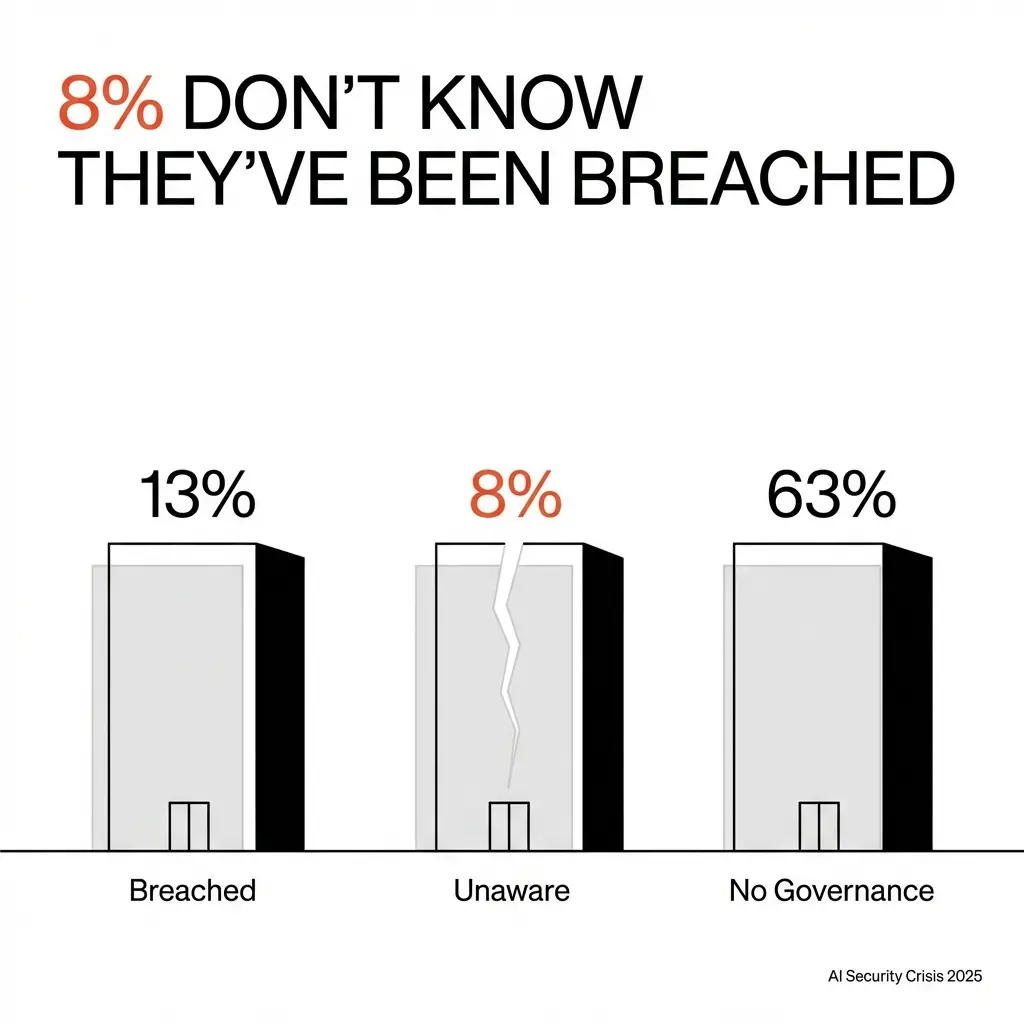
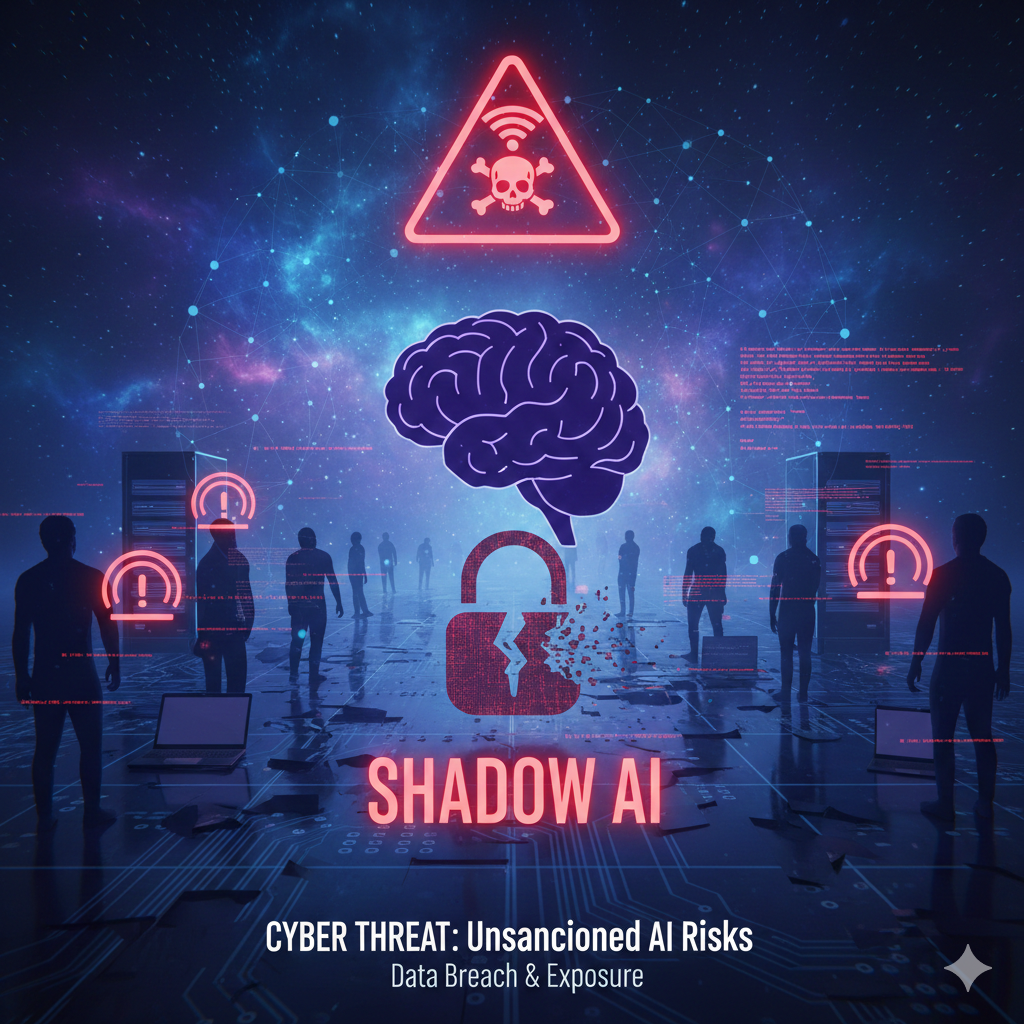
73% of enterprise employees regularly use AI tools not sanctioned by their organisation — creating an invisible inventory of data exposure that security teams cannot govern, monitor, or respond to because they do not know it exists.

What AI Threats & Fraud Intelligence Covers

AI fraud and social engineering

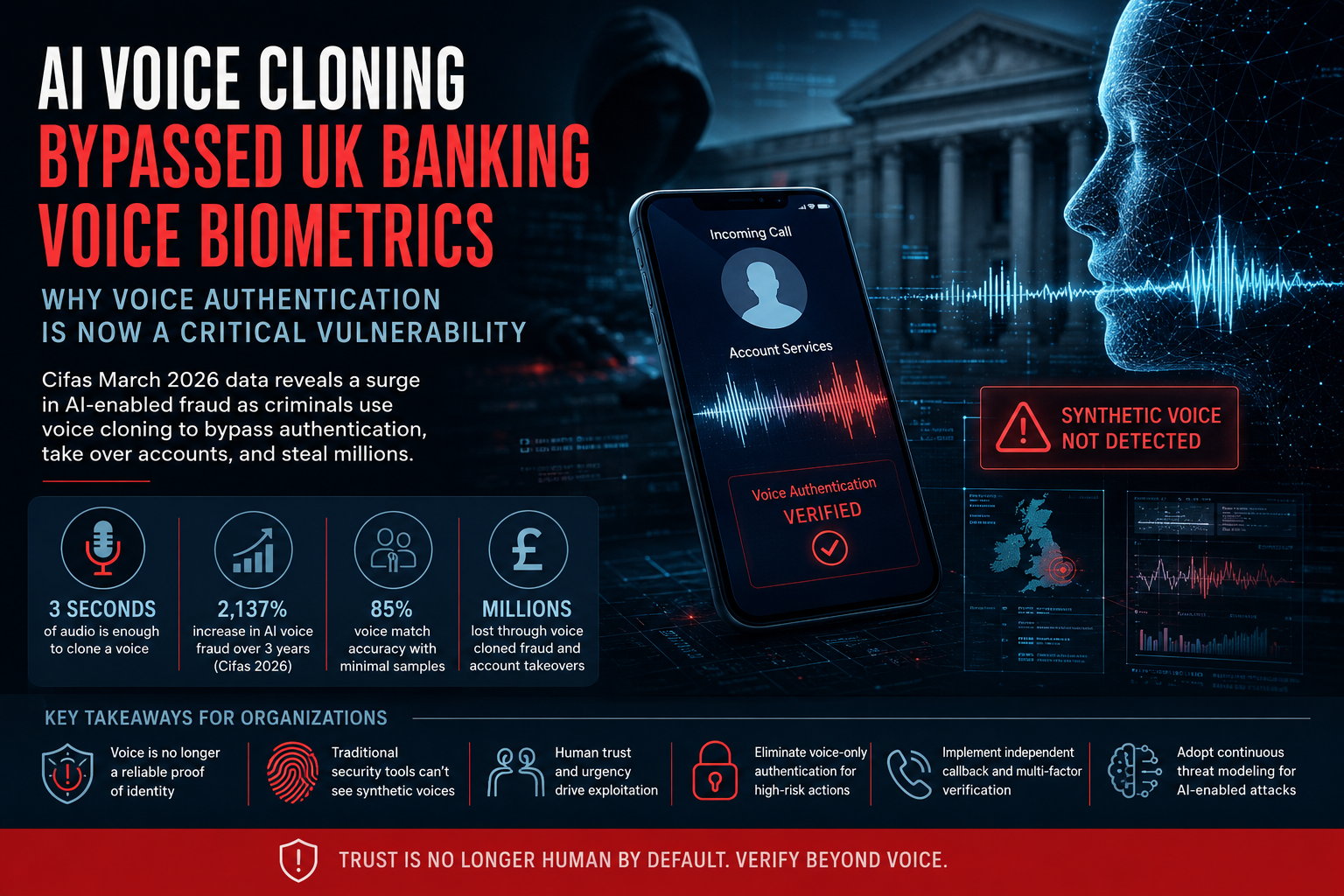
AI has industrialised social engineering. Voice cloning attacks that previously required days of audio now require three seconds of publicly available speech. Deepfake video generation that previously required specialist equipment now runs on consumer hardware. The operational barrier to CEO fraud, business email compromise escalation, and helpdesk vishing has collapsed — and the detection controls built for human-generated fraud are failing against synthetic media that passes perceptual and technical inspection simultaneously. Hackerstorm covers the attack chain from voice clone generation through to financial fraud execution, with incident analysis drawn from confirmed real-world cases.

Deepfake and synthetic identity threats

Synthetic identity fraud extends beyond individual impersonation attacks. AI-generated personas — complete with fabricated employment histories, synthetic biometric profiles, and algorithmically consistent social media presence — are being deployed at scale for hiring fraud, financial account creation, insider threat placement, and supply chain infiltration. Hackerstorm tracks the evolution of synthetic identity techniques and their intersection with enterprise onboarding, KYC, and identity verification processes.

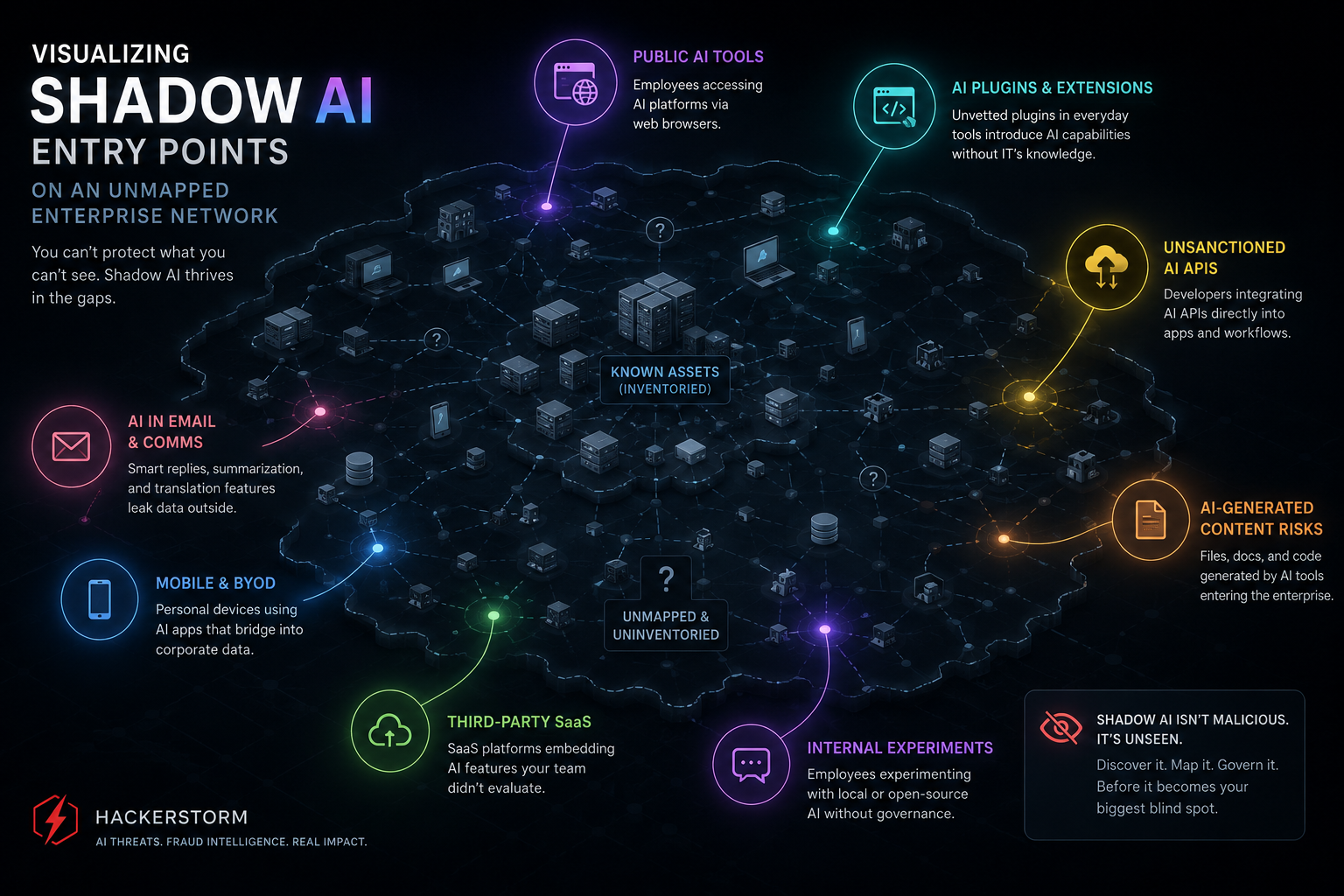
Shadow AI and governance failures

The fastest-growing AI attack surface is not adversarial AI — it is unsanctioned AI. Employees using personal AI assistants, departmental ChatGPT subscriptions, and embedded AI features in SaaS tools are routinely processing confidential data, client information, intellectual property, and regulated data outside any governance framework. When those tools are breached, when data retention policies conflict with privacy obligations, or when AI-generated outputs introduce liability, the organisation has no visibility and no response capability. Hackerstorm covers the shadow AI inventory problem, governance frameworks, and the agentic workflow risks that represent the next phase of this challenge.

Synthetic identity and agentic risk

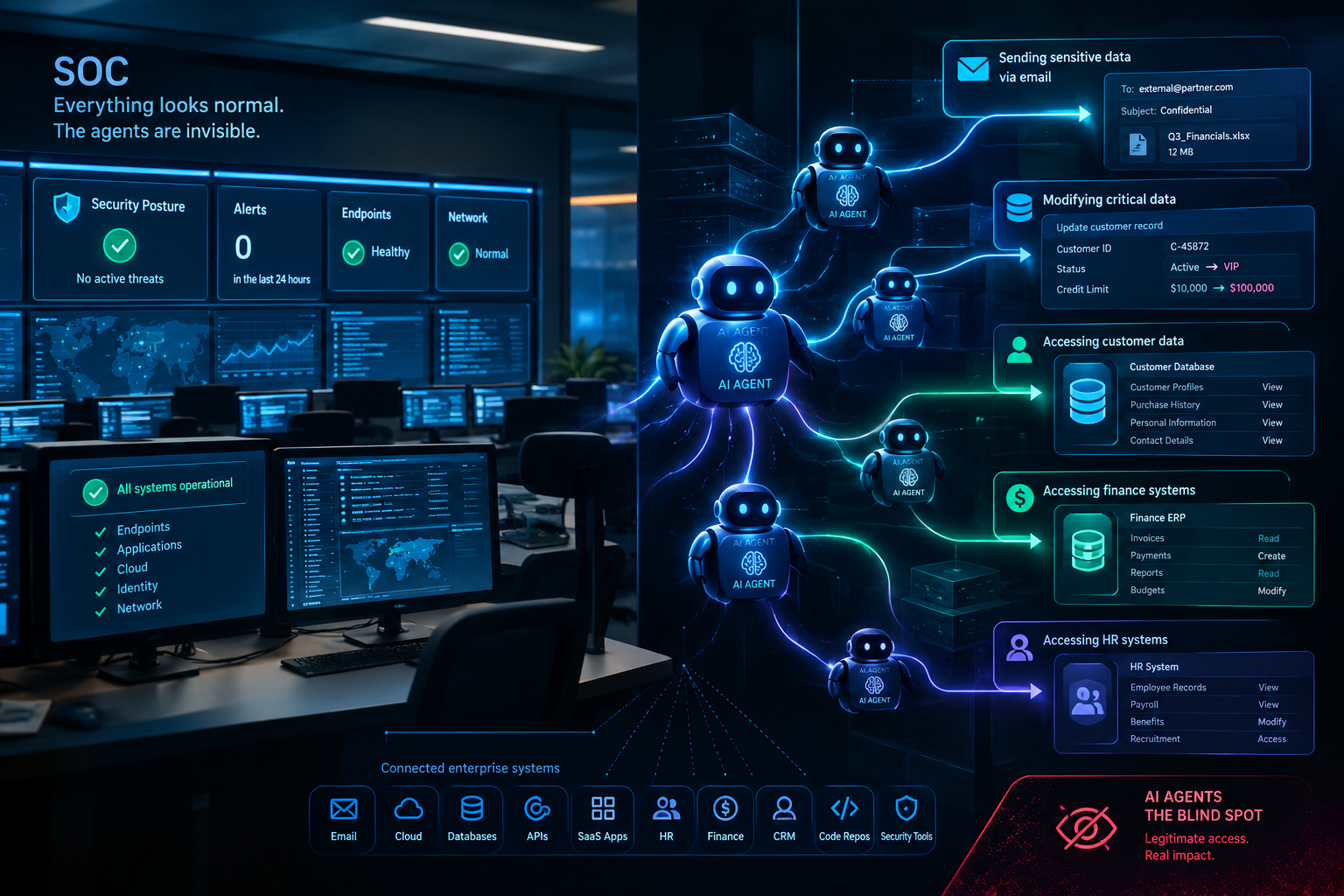
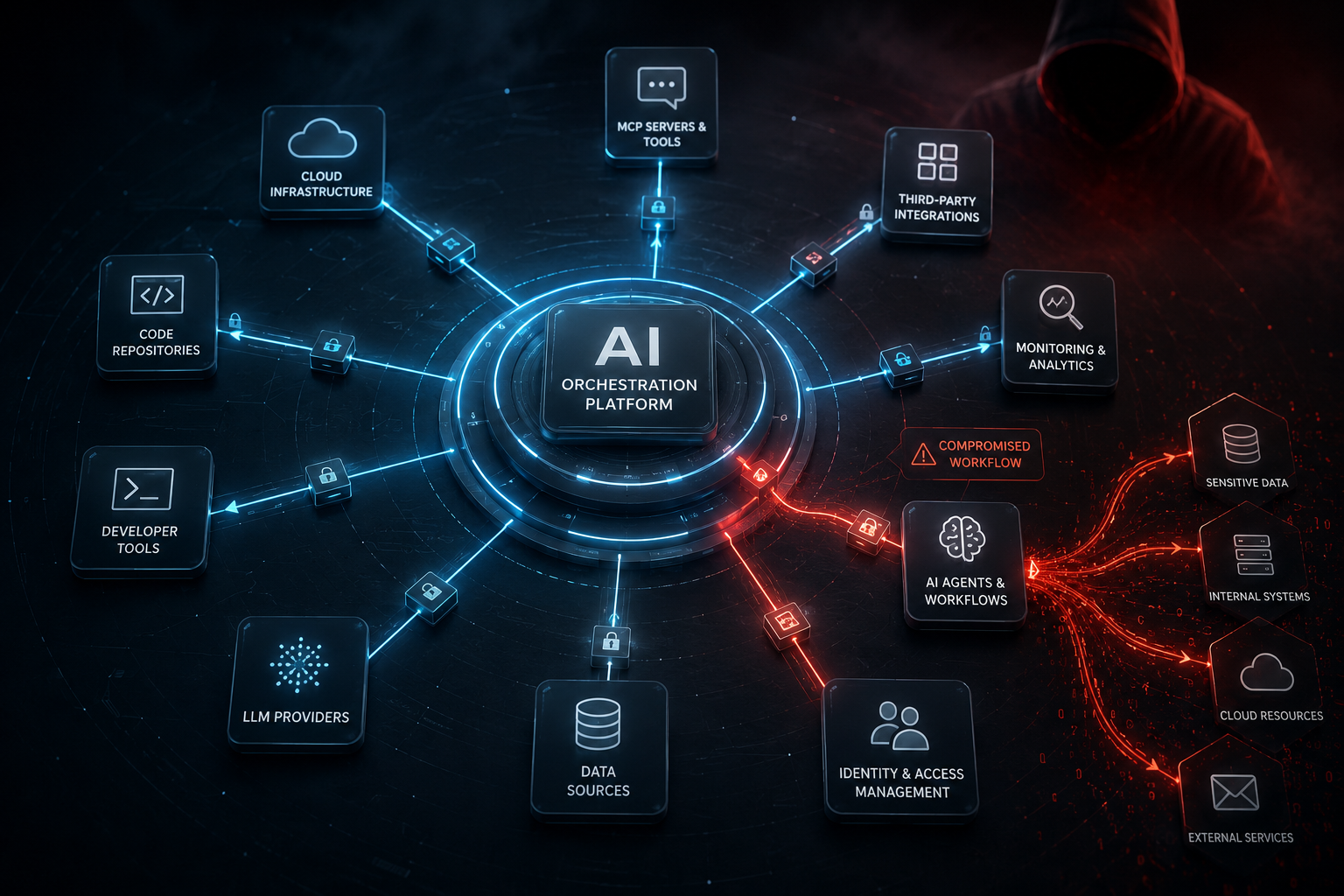
Agentic AI systems — tools that take autonomous action on behalf of users, access APIs, execute transactions, and operate with delegated credentials — represent a new class of identity risk that existing IAM frameworks were not designed to address. An agentic workflow can be manipulated through prompt injection, can operate with over-privileged credentials, can exfiltrate data through legitimate API calls, and can execute irreversible actions before human review is possible. Hackerstorm covers the detection engineering, governance, and operational controls required to manage agentic AI as an enterprise security surface.
Start Here — Foundational Reading


New to Hackerstorm's AI threat intelligence coverage?

These three articles establish the analytical framework and incident context behind everything else published here.

Sign up to receive our latest AI threat intelligence and fraud analysis. No marketing. No noise.

AI Threats & Fraud Intelligence Analysis


All Hackerstorm AI threat intelligence articles — covering voice cloning, deepfake fraud, synthetic identity, shadow AI governance, agentic workflow risk, and enterprise detection guidance.

Frequently asked questions

Explore our comprehensive FAQ section to find quick answers to commonly asked questions about vulnerability data, our products and services.

AI-enabled fraud uses synthetic media generation, large language models, and machine learning to create deceptive content — voice, video, text, and identity — that is indistinguishable from genuine human-generated material at the point of verification. Conventional fraud relies on human impersonation, document forgery, and social engineering that trained reviewers can detect through inconsistency and contextual anomaly. AI-enabled fraud bypasses these controls by generating contextually consistent, biometrically plausible synthetic content at scale and at a cost approaching zero per attack.

By using this site, you agree to our Terms & Conditions.

COOKIE / PRIVACY POLICY: This website uses essential cookies required for basic site functionality. We also use analytics cookies to understand how the website is used. We do not use cookies for marketing or personalization, and we do not sell or share any personal data with third parties.

Terms & Privacy Policy